
Owning a property is one of the most significant investments most people will ever make, yet far too many homeowners fall into a reactive pattern — waiting until something breaks before spending money to fix it. The problem with this approach is that deferred maintenance rarely stays cheap. A small issue left unattended has a way of quietly compounding into something far more expensive, disruptive, and stressful. The good news is that protecting and improving your property doesn’t have to mean spending a fortune all at once. With a clear strategy and the right priorities, you can keep your home in excellent condition, increase its value, and avoid financial surprises — all while staying well within a reasonable budget.
Whether you’re a first-time homeowner building good habits or a longtime property owner looking to be more strategic with your spending, these tips will help you get more out of every dollar you invest in your home.
Protect Your Home from the Top Down Before Small Leaks Become Big Bills

Your roof is your property’s first line of defense against the elements, and the consequences of ignoring it can ripple through every other part of your home. Water intrusion from a damaged roof can rot structural framing, ruin insulation, promote mold growth, and damage ceilings and walls — turning what might have been a minor fix into a multi-thousand-dollar restoration project. The most cost-effective thing you can do is schedule a professional inspection at least once a year, ideally in the fall before winter weather sets in or in the spring after it ends.
What a roof inspection typically covers:
- Checking for missing, cracked, curling, or lifting shingles
- Examining flashing around chimneys, vents, and skylights
- Inspecting gutters and downspouts for blockages or damage
- Looking for signs of sagging or soft spots in the decking
- Identifying any areas where water is pooling
Catching these issues early is the key to keeping costs manageable. Targeted roof repairs on a few damaged shingles or a section of deteriorating flashing can cost a few hundred dollars. Waiting until those same areas have allowed water to penetrate the decking, insulation, and interior walls can push the bill into the tens of thousands. Many roofing companies also offer free or low-cost inspections, which makes it easy to stay proactive without adding significant expense.
When the time comes to replace or upgrade roofing materials, don’t just default to the cheapest option available. The building materials you choose will directly determine how long your roof lasts and how much maintenance it demands over time. Architectural asphalt shingles, for example, typically last 25 to 30 years and cost noticeably more than standard three-tab shingles, but the longer lifespan and better wind resistance often make them the more economical choice over the long run. Metal roofing, while more expensive upfront, can last 40 to 70 years and requires very little maintenance. Choosing quality building materials for your roof is one of the smartest long-term investments you can make in your property.
Keep Your Property Clean and Presentable Without Breaking the Bank
Cleanliness isn’t just about appearances — it’s a genuine maintenance strategy. Dirt, grime, algae, and organic debris all accelerate the deterioration of exterior surfaces. Concrete driveways stained with oil or moss become slippery and begin to crack. Siding coated in mildew retains moisture and starts to break down. Gutters clogged with leaves overflow and send water where it doesn’t belong. Staying on top of exterior cleaning protects your surfaces, extends the life of paint and sealants, and helps you spot problems before they worsen.
High-impact exterior cleaning tasks that protect your investment:
- Pressure washing siding, driveways, and patios to remove algae and buildup
- Cleaning gutters in spring and fall to prevent overflow and foundation damage
- Washing windows inside and out to check seals and frames for early deterioration
- Removing debris from roof valleys and flat areas where moisture pools
- Cleaning HVAC vents and exterior grilles to maintain system efficiency
Hiring a professional cleaning service once or twice a year for a comprehensive exterior clean is more affordable than most homeowners expect, especially when you consider what it costs to repaint a deck prematurely or reseal a driveway that was allowed to deteriorate. A seasonal cleaning service can typically handle pressure washing, gutter clearing, window washing, and surface treatments in a single visit, saving both time and money.
On the waste management side, one practical way to cut costs during any renovation or cleanout project is to take full advantage of your local recycling services. Many municipalities offer curbside pickup for metal, cardboard, clean wood, and certain plastics at no additional cost, and some materials — particularly scrap metal and copper — can actually be sold to recycling centers for cash. Using recycling services to divert materials from general waste reduces your overall haul volume, which matters especially if you’re paying for disposal by weight or bin size.
Upgrade Your Home’s Infrastructure to Avoid Costly Emergency Repairs
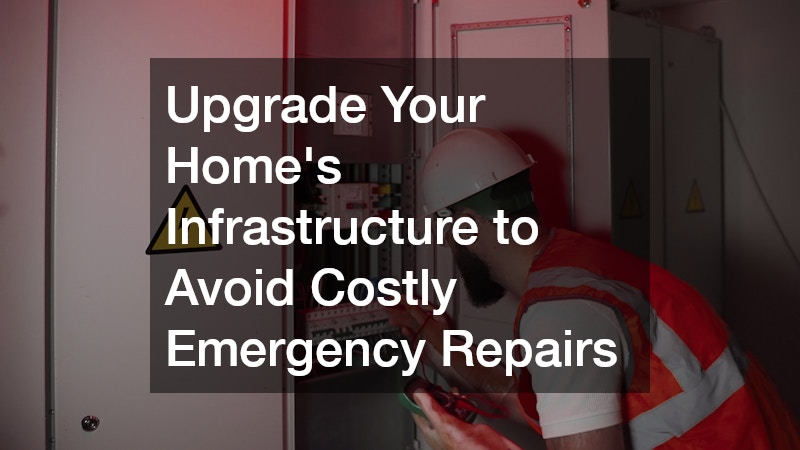
Inside your home, two systems tend to generate the most expensive emergency calls: the electrical system and the water supply. Both are easy to ignore when they seem to be functioning normally, but both carry serious consequences if allowed to degrade past a certain point.
Warning signs that your home’s infrastructure needs attention:
- Frequent tripping of circuit breakers or blowing of fuses
- Flickering or dimming lights, especially when appliances run
- Discolored water, low pressure, or unusual tastes and odors from well water
- Burning smells near outlets or the electrical panel
- Pump cycling on and off too frequently or running continuously
An electrical panel upgrade is one of the best investments an older home can receive. Panels that are 30 or more years old are often undersized for the electrical demands of modern households, and certain brands from decades past have well-documented safety issues, including a higher risk of fire. Upgrading to a modern panel with adequate amperage not only makes your home safer but can also reduce your homeowner’s insurance premiums, support the addition of electric vehicle chargers or solar systems, and increase your home’s resale value. It’s not a cheap project, but it’s far less expensive than dealing with an electrical fire or a failed home inspection.
For properties that rely on a private water supply, maintaining your system through a qualified water well company is equally critical. Annual water testing is the minimum — you want to know that your water is free from bacteria, nitrates, and other contaminants that don’t affect taste or appearance but can cause serious health problems. Beyond testing, a reputable water well company can inspect your pump, pressure tank, and casing for signs of wear or infiltration. Replacing a pump proactively based on age or early performance decline is far more manageable than an emergency replacement when your water supply goes down entirely.
Improve Curb Appeal and Functionality with Smart Outdoor Upgrades
The exterior of your property does double duty: it protects the structural integrity of your home and shapes the first impression your property makes on visitors, neighbors, and potential buyers. Smart outdoor investments don’t have to be dramatic or expensive to make a real difference.
Outdoor improvements with the best return on investment:
- Repairing or resurfacing cracked driveways and walkways
- Sealing concrete or asphalt surfaces to extend their lifespan
- Removing dead or structurally compromised trees before storm season
- Adding landscape edging and mulch to reduce maintenance and improve appearance
- Installing or upgrading exterior lighting for safety and aesthetics
Cracked or crumbling pavement is more than an eyesore — it’s a structural problem that worsens with every freeze-thaw cycle and every heavy rain. Water seeps into cracks, expands when it freezes, and widens the damage progressively. Experienced paving contractors can assess whether a surface needs full replacement or whether a more affordable resurfacing or crack-filling treatment will extend its life by another decade. Getting multiple quotes from paving contractors is always a smart move, as pricing can vary significantly, and many offer tiered solutions that let you address the worst areas first.
Trees are one of the most underappreciated risk factors on residential properties. A dead or structurally compromised tree doesn’t announce itself before a storm knocks it into your roof, your car, or your neighbor’s fence. The liability implications alone make proactive tree management worth the cost. Hiring a tree removal company to assess and remove hazardous trees before storm season is dramatically cheaper than emergency tree removal after the fact, which often involves cutting through debris, repairing structures, and potentially dealing with insurance claims. A good tree removal company will also evaluate which trees are salvageable with trimming and which represent too much risk to leave standing.
Manage Renovation Waste Efficiently to Stay on Budget
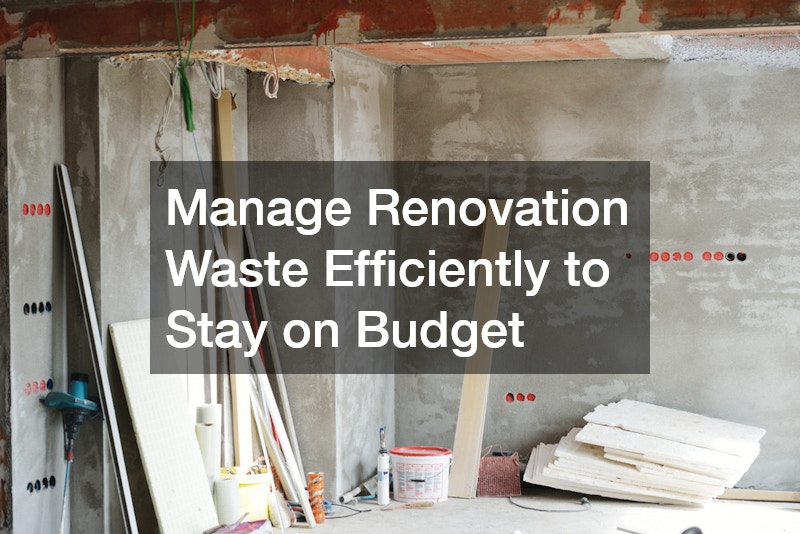
Any renovation project, no matter how carefully planned, generates more debris than most people anticipate. Demolition waste, packaging materials, old fixtures, flooring scraps, and construction debris add up quickly, and if you haven’t planned for how to handle it, disposal can become a high and unexpected cost.
Tips for managing renovation waste without overspending:
- Order a dumpster before demolition starts, not after waste begins piling up
- Choose the right container size — going too small forces a costly swap-out
- Keep hazardous materials (paint, treated wood, asbestos) separate for proper disposal
- Set aside reusable items like cabinets, doors, and fixtures for donation or resale
- Track what goes in to avoid exceeding weight limits that trigger overage fees
A dumpster rental is one of the most overlooked line items in renovation budgeting, and underestimating its importance can lead to scrambling mid-project. Having a dumpster on-site from day one keeps the work area clean and safe, prevents materials from piling up in ways that slow the crew down, and ensures you’re not making multiple expensive dump runs with a rented truck. Dumpster rental costs vary by size, location, and rental duration, so booking early — especially during busy spring and summer renovation seasons — can help you lock in better rates and availability.
Alongside your dumpster, set up a dedicated recycling workflow from the start of the project. Separating materials like cardboard, metal, clean wood, and glass for recycling services not only reduces the total volume going into your dumpster but can also result in tangible savings. Some recycling services will pick up sorted construction materials directly from your site, reducing the number of loads your dumpster needs to handle. For larger renovations, the savings from diverting recyclable materials can offset a meaningful portion of your disposal costs.
Lower Your Energy Costs with Reliable and Efficient Fuel Systems
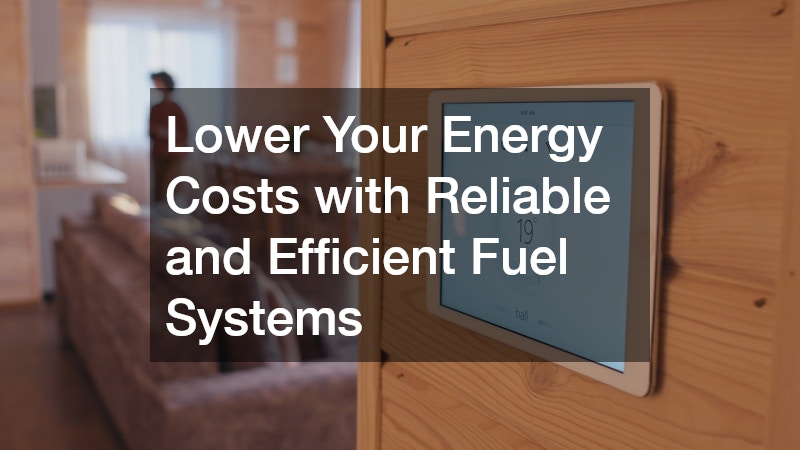
Energy costs represent one of the most controllable ongoing expenses of homeownership, yet they’re often treated as fixed and unavoidable. With the right infrastructure choices, you can significantly reduce what you spend on heating, cooling, and hot water — and make your home more resilient in the process.
Energy-saving upgrades that pay for themselves over time:
- Adding or upgrading attic and wall insulation to reduce heating and cooling loads
- Sealing air leaks around windows, doors, and penetrations
- Installing a programmable or smart thermostat to reduce waste during off-hours
- Upgrading to a high-efficiency water heater or an on-demand system
- Switching appliances to energy-efficient models when replacements are due
For homeowners in rural areas or regions where natural gas infrastructure isn’t available, propane is one of the most versatile and cost-effective energy sources available. It can power your furnace, water heater, kitchen range, clothes dryer, and backup generator from a single supply — and modern propane-burning appliances are highly efficient. Establishing a relationship with a local provider of propane services that includes automatic delivery and tank monitoring takes the guesswork out of fuel management and can help you lock in better pricing during off-peak buying seasons. Many providers also offer budget billing programs that spread costs evenly across the year.
The other side of energy efficiency comes down to the building materials used in your walls, attic, and foundation. If your home was built more than 20 to 30 years ago, it almost certainly has insulation and window systems that fall well short of modern energy performance standards. Upgrading to spray foam insulation, double- or triple-pane windows, and insulated exterior siding can reduce your heating and cooling costs by 20 to 40 percent, depending on your climate and your home’s current state. High-performance building materials in these applications have lower lifetime costs than their cheaper counterparts because the energy savings accumulate month after month for the life of the home.
Protecting and improving your property doesn’t require unlimited resources — it requires a clear sense of priorities and a commitment to staying ahead of problems rather than reacting to them. The most expensive repairs are almost always the ones that could have been prevented with earlier, smaller investments. By paying attention to your roof, maintaining the cleanliness of your exterior, keeping your core systems in good working order, investing thoughtfully in your outdoor spaces, managing waste efficiently during renovation projects, and making smart energy decisions, you create a property that is safer, more comfortable, more valuable, and far less likely to surprise you with an emergency expense.
Take stock of your property from top to bottom — literally. Start with the areas that carry the greatest risk or the most visible signs of wear, and build a simple maintenance calendar that keeps the small tasks from falling through the cracks. Each improvement you make compounds the value and durability of everything around it. The goal isn’t perfection; it’s consistency. Homeowners who stay engaged with their property’s condition year after year are the ones who avoid the costly crises, preserve their investment, and genuinely enjoy the place they call home.
 Home Improvement News