Upgrading your home is one of the most effective ways to improve comfort, functionality, and long-term value. Whether you’re tackling a few small fixes or planning a major transformation, the key to success lies in having a clear, strategic plan. Without one, it’s easy to overlook critical issues, overspend, or complete projects in the wrong order—leading to unnecessary frustration and costly rework.
A well-structured home upgrade checklist helps you stay organized and ensures that every improvement builds on a solid foundation. From addressing essential repairs to planning large-scale renovations, each step plays a role in creating a safer, more efficient, and more enjoyable living space. This guide walks you through the entire process, offering actionable insights to help you make informed decisions at every stage.
Start With a Whole-Home Condition Assessment
Before making any upgrades, take a comprehensive look at your home’s current condition. This step is crucial because it helps you understand what needs immediate attention and what can wait.
Start by walking through every room and documenting issues such as cracks, leaks, outdated fixtures, or worn surfaces. Don’t forget to inspect less visible areas like attics, basements, and crawlspaces.
Key steps for a thorough assessment:
- Check ceilings and walls for stains or cracks
- Test doors and windows for drafts or sticking
- Inspect flooring for damage or uneven surfaces
- Look for signs of mold, mildew, or pests
- Evaluate the condition of major systems like plumbing and electrical
Once you’ve gathered this information, categorize each issue:
- Urgent repairs (safety or structural concerns)
- Necessary upgrades (efficiency or functionality improvements)
- Cosmetic updates (aesthetic enhancements)
To make your assessment even more effective, consider taking photos and detailed notes as you go. This creates a visual record you can reference later when planning projects or discussing repairs with contractors. It’s also helpful to estimate the age of key components like your roof, HVAC system, and appliances, as this can signal when replacements may be needed soon.
You should also pay attention to how your home functions on a daily basis. Are there rooms that feel too cramped? Areas with poor lighting? Spaces that don’t meet your current lifestyle needs? Identifying these functional shortcomings early allows you to align your upgrades with practical improvements, not just visual changes.
If you’re unsure about certain issues, consider hiring a professional home inspector. Their expertise can uncover hidden problems that may not be immediately obvious.
Fix Hidden Water and Structural Issues First
Water damage is one of the most destructive problems a home can face. It often starts small but can quickly escalate into major structural issues if left untreated. Moisture can weaken wood framing, compromise insulation, and even lead to foundation instability over time.
Common signs of moisture problems include:
- Musty odors in lower levels
- Visible mold or mildew
- Peeling paint or warped walls
- Damp floors or standing water
Addressing these issues early is critical. Hiring a basement waterproofing service can help identify the source of moisture and implement solutions such as sealing cracks, installing drainage systems, or improving ventilation.
Beyond visible warning signs, it’s important to understand how water may be entering your home. Poor drainage, clogged gutters, hydrostatic pressure, and even small foundation cracks can all contribute to ongoing moisture problems. Left unresolved, these issues can also impact indoor air quality, leading to potential health concerns for your household.
Preventative measures to consider:
- Install a sump pump to manage groundwater
- Ensure proper grading around your home’s foundation
- Clean and maintain gutters regularly
- Use dehumidifiers in damp areas
You may also want to inspect window wells, downspouts, and exterior seals to ensure water is being directed away from your home effectively. Taking care of these problems first ensures that any future upgrades are built on a stable and dry foundation, reducing the risk of costly repairs down the line.
Evaluate and Repair Your Roof Before Interior Work

Your roof is one of the most critical components of your home, shielding everything beneath it from the elements. A compromised roof can lead to extensive water damage, mold growth, and structural issues, which can undermine even the most carefully planned interior upgrades. That’s why ensuring your roof is in good condition should always be a top priority before starting any remodeling or repair work inside your home.
Warning signs to watch for include:
- Missing or damaged shingles
- Water stains on ceilings
- Sagging rooflines
- Granules collecting in gutters
While some issues may be visible from the ground, many roof problems are hidden until they become serious. Professional roofing services can perform a thorough inspection to identify weak spots, leaks, or areas where shingles are failing. They can also advise whether repairs are sufficient or if a full replacement is necessary, helping you make an informed decision that protects your home for years to come.
When selecting a roofing company, it’s essential to consider more than just price. Verify that the contractor is properly licensed and insured, as this safeguards you in case of accidents or substandard work. Reading customer reviews and testimonials provides insight into their reliability and quality of service. Request detailed written estimates that outline labor, materials, and timelines, and inquire about material options and manufacturer warranties to ensure long-term protection.
Addressing roofing issues early not only prevents costly water damage but also protects your investment in interior improvements. A strong, leak-free roof creates a solid foundation for remodeling projects, giving you peace of mind that your efforts and expenses inside the home won’t be compromised by structural problems above.
Upgrade Plumbing Systems Before Remodeling Projects
Plumbing systems are often hidden behind walls, under floors, or in ceilings, which makes them easy to overlook—until a problem arises. Unfortunately, plumbing issues can be disruptive and costly, especially if discovered in the middle of a remodeling project. Before investing time and money in new floors, walls, or cabinetry, it’s essential to ensure your plumbing is in good condition. This prevents surprises that could delay your renovation and add unnecessary costs.
Common plumbing concerns include:
- Leaky pipes or fixtures
- Low water pressure
- Outdated piping materials
- Slow or clogged drains
Even minor leaks or corrosion can escalate into major damage, leading to water stains, mold growth, and structural problems. Experienced plumbers can perform a full system inspection, identify hidden issues, and recommend solutions tailored to your home’s needs. Addressing these problems proactively ensures your remodeling work isn’t compromised by plumbing failures.
Smart upgrades to consider:
- Replace old pipes with modern materials such as PEX or copper to reduce the risk of leaks and corrosion
- Install water-efficient fixtures, including faucets, showerheads, and toilets, to save water and reduce utility bills
- Upgrade to a tankless water heater for consistent hot water and increased energy efficiency
- Add shut-off valves for easier maintenance and to prevent damage in case of future leaks
By taking care of plumbing early, you not only reduce the risk of costly repairs down the line but also ensure your new spaces function properly. Properly planned plumbing upgrades also increase your home’s efficiency, improve water quality, and give you peace of mind as you proceed with your remodeling projects. A well-maintained plumbing system is the backbone of any successful home upgrade.
Improve Heating and Cooling Efficiency
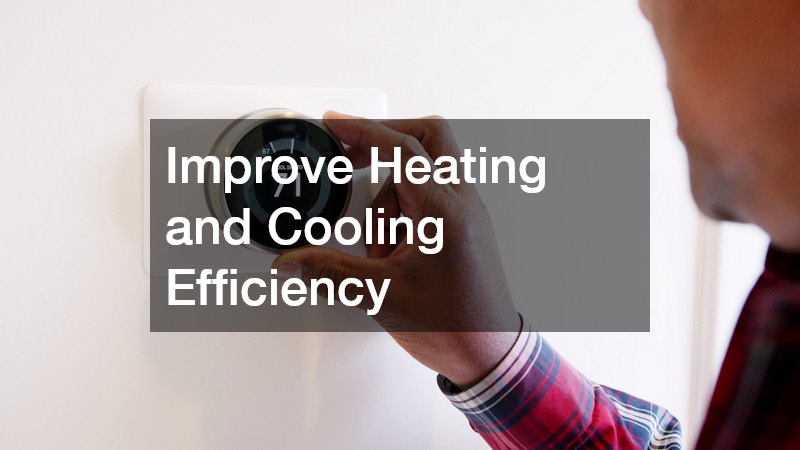
A comfortable home relies heavily on an efficient heating and cooling system. When your HVAC system struggles to maintain consistent temperatures, it can affect both comfort and energy costs. Older systems or poorly maintained units often work harder to heat or cool your home, resulting in higher energy bills, uneven temperature distribution, and sometimes even premature breakdowns. Ensuring your heating and cooling system operates at peak performance is essential before tackling any home upgrades that may change your home’s energy demands.
Signs your system needs attention include:
- Uneven temperatures throughout the home
- Rising energy bills despite normal usage
- Frequent repairs or unexpected breakdowns
- Poor indoor air quality, including dust, allergens, or odors
Scheduling professional HVAC services is a smart step. Technicians can evaluate your system’s efficiency, identify failing components, and recommend whether repairs or a full replacement is necessary. They can also assess airflow, duct integrity, and insulation levels, which all impact overall performance.
Ways to improve efficiency include:
- Installing a programmable or smart thermostat to optimize heating and cooling schedules
- Sealing and insulating ductwork to prevent energy loss and uneven heating
- Replacing air filters regularly to maintain airflow and indoor air quality
- Upgrading to energy-efficient equipment, such as modern furnaces, heat pumps, or air conditioners
Additionally, homeowners can improve efficiency by ensuring vents and registers are unobstructed, using ceiling fans to support airflow, and insulating attics or crawlspaces to reduce heat loss. Proper maintenance and thoughtful upgrades enhance comfort, lower long-term energy costs, and extend the lifespan of your HVAC system, ensuring your home stays comfortable year-round while supporting any upcoming remodeling projects.
Refresh Flooring and Interior Surfaces
Once major systems are addressed, it’s time to focus on interior surfaces. Flooring, walls, and finishes play a significant role in both appearance and comfort.
If your carpets are stained or worn, a local carpet cleaning service can often restore them to like-new condition, saving you the cost of replacement.
When to clean vs. replace:
- Clean if carpets are structurally sound but dirty
- Replace if there are tears, odors, or extensive wear
Other surface upgrades to consider:
- Refinish hardwood floors
- Replace outdated tile or vinyl
- Repaint walls with modern colors
- Update trim and baseboards
These changes can dramatically improve the look and feel of your home without requiring a full remodel.
Plan Functional and Stylish Kitchen Improvements
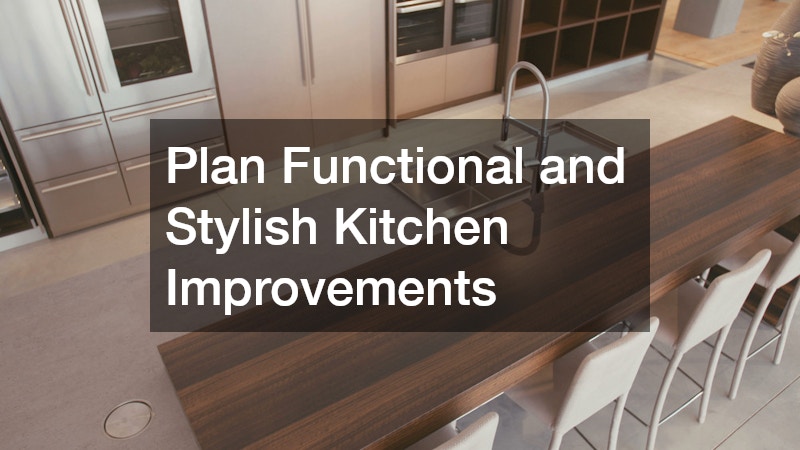
The kitchen is one of the most important spaces in any home, both for daily use and resale value. A well-planned kitchen remodel can significantly enhance functionality and aesthetics.
Start by defining your goals:
- Improve layout and workflow
- Increase storage space
- Upgrade appliances
- Modernize design
Key elements to focus on:
- Cabinets and countertops
- Lighting and electrical outlets
- Flooring and backsplash
- Appliance placement
Budget considerations:
- Prioritize essential upgrades first
- Mix high-end and budget-friendly materials
- Plan for unexpected costs
A thoughtful approach ensures your kitchen meets your needs while staying within budget.
Upgrade Bathrooms for Comfort and Efficiency
Bathrooms are another high-impact area for upgrades. Whether you’re updating a powder room or renovating a master bath, careful planning is essential.
Hiring a bathroom remodeling contractor can help you navigate design choices, plumbing considerations, and installation details.
Features to prioritize:
- Water-efficient fixtures
- Durable and moisture-resistant materials
- Adequate lighting and ventilation
- Smart storage solutions
Popular upgrades include:
- Walk-in showers with modern tile
- Double vanities for shared spaces
- Heated flooring for added comfort
- Updated mirrors and lighting
These improvements enhance both usability and overall home value.
Coordinate Larger Renovations With the Right Experts
When your project goes beyond individual rooms, it’s important to work with professionals who can manage the entire process.
Comprehensive remodeling services ensure that all aspects of your renovation are coordinated, from design to construction. Experienced home remodelers can help you avoid common pitfalls and keep your project on track.
Benefits of hiring professionals:
- Streamlined project management
- Access to skilled trades and resources
- Compliance with building codes and permits
- Higher quality results
Tips for a successful renovation:
- Set a clear budget and timeline
- Communicate expectations clearly
- Review contracts carefully
- Monitor progress regularly
Working with the right team makes large-scale renovations more efficient and less stressful.
Create a Long-Term Maintenance and Upgrade Plan
Maintaining your home is an ongoing process. After completing your upgrades, it’s important to develop a plan that keeps everything in top condition.
Build a seasonal maintenance checklist:
- Spring: inspect exterior and clean gutters
- Summer: service cooling systems and check landscaping
- Fall: prepare heating systems and seal drafts
- Winter: monitor insulation and prevent ice damage
Additional tips:
- Keep records of repairs and upgrades
- Track warranties and service schedules
- Set aside a maintenance budget
- Address small issues before they become major problems
A proactive approach helps preserve your investment and ensures your home remains safe and comfortable for years to come.
Upgrading your home doesn’t have to be overwhelming. By following a structured checklist and addressing projects in the right order, you can create a space that is both functional and beautiful. From essential repairs to full-scale renovations, each step plays a role in improving your home’s performance and value.
Taking the time to plan carefully, work with trusted professionals, and stay proactive with maintenance will pay off in the long run. With the right approach, your home can continue to evolve alongside your needs, providing comfort, efficiency, and lasting enjoyment.
 Home Improvement News