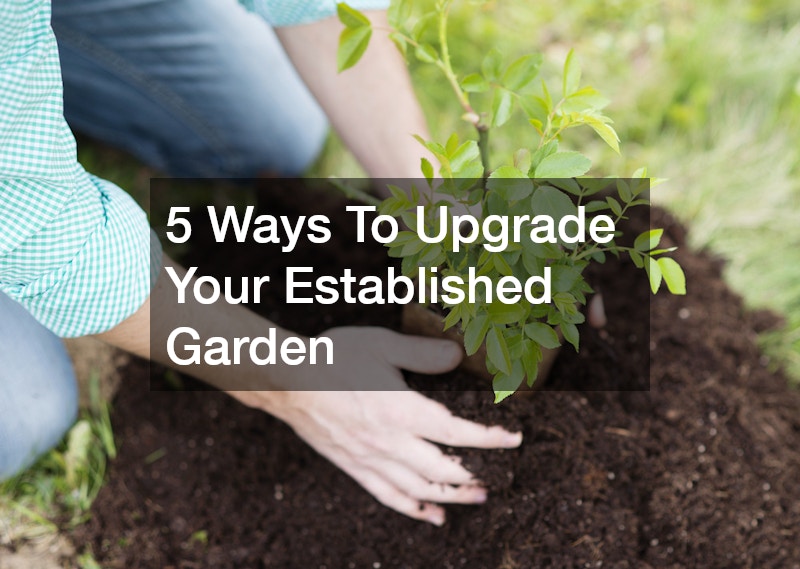
Enhancing an established garden doesn’t require starting from scratch. With the right strategies, you can improve productivity, sustainability, and overall beauty without disrupting what already works. Whether your goal is to grow healthier plants, make better use of space, or create a more relaxing outdoor environment, small, thoughtful upgrades can make a big difference. From introducing new plant varieties to installing efficient irrigation, these five proven methods will help transform your garden into a thriving, vibrant oasis.
1. How Can I Introduce New Plant Varieties Efficiently?
Adding new plant varieties is one of the easiest ways to refresh your garden’s look and boost biodiversity. The key is choosing plants that fit well within your existing environment. Start by considering your local climate and selecting species that naturally thrive under similar conditions. This reduces stress on the plants and increases the chances of successful growth.
It’s also important to understand soil compatibility. Some plants require well-drained soil, while others prefer moisture-rich environments. Matching these needs with your garden’s conditions helps prevent competition for nutrients and supports healthier development overall.
Before planting, research sunlight and water requirements. Position sun-loving plants in bright areas and shade-tolerant varieties in protected spots. Aligning watering needs with your irrigation setup ensures consistent care and reduces maintenance.
Finally, prepare your soil properly. Enrich it with compost, loosen roots before planting, and water thoroughly to reduce transplant shock. You can also use companion planting to improve growth and deter pests naturally. With careful planning, new plant varieties will integrate seamlessly and bring renewed life to your garden.
2. What Are the Best Methods to Improve Soil Health?
Healthy soil is the backbone of any successful garden. Improving it doesn’t happen overnight, but consistent practices can significantly enhance its quality.
Composting is one of the most effective ways to enrich soil. By recycling kitchen scraps and yard waste, you create nutrient-rich organic matter that supports plant growth. Compost improves soil structure, helps retain moisture, and encourages beneficial microorganisms.
Mulching is another simple yet powerful technique. A layer of organic mulch—such as straw, bark, or leaves—helps regulate soil temperature, retain moisture, and suppress weeds. Over time, mulch breaks down and adds nutrients back into the soil, further improving its health.
Using organic fertilizers also supports long-term soil fertility. Options like manure or bone meal release nutrients slowly, providing a steady supply without overwhelming plants or harming the environment. This gradual process promotes strong root systems and consistent growth.
By combining composting, mulching, and organic fertilizers, you create a balanced soil ecosystem that supports a productive and resilient garden.
3. How Do I Maximize Garden Space Efficiently?
Making the most of your available space can dramatically increase your garden’s productivity. Even small gardens can yield impressive results with the right approach.
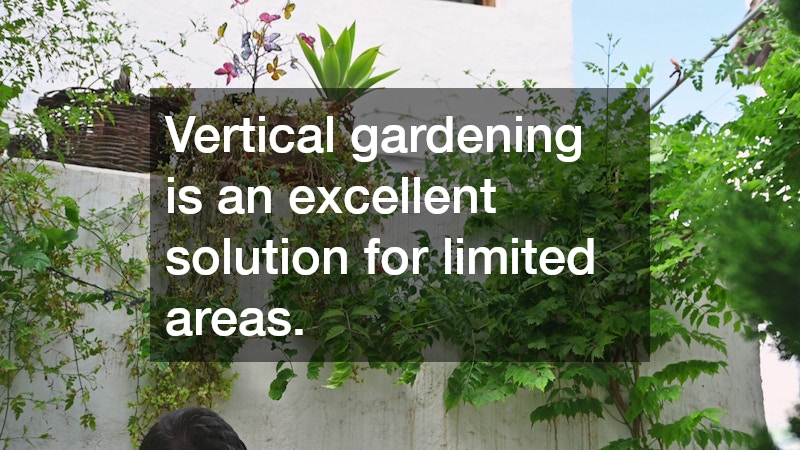
Vertical gardening is an excellent solution for limited areas. Growing plants on trellises, fences, or walls allows you to expand upward instead of outward. Climbing plants like beans, cucumbers, and vines thrive in vertical setups and add visual interest to your garden.
Another effective strategy is investing in a high-quality garden bed. Raised beds provide better drainage, improved soil control, and easier access for planting and maintenance. They also warm up faster in spring, extending the growing season and increasing yields. With a well-designed layout, raised beds allow for closer plant spacing, reducing wasted space while keeping your garden organized.
Companion planting further enhances space efficiency. By pairing plants that support each other—such as tomatoes with basil or corn with beans—you can improve growth, deter pests, and maximize every inch of soil. This method creates a balanced ecosystem where plants work together rather than compete.
4. What Are Effective Pest Control Strategies?
Managing pests is essential for maintaining a healthy garden, but it doesn’t have to involve harsh chemicals. Natural and sustainable methods can be just as effective.
Encouraging beneficial insects and wildlife is a great starting point. Ladybugs, birds, and frogs help control pest populations naturally. Providing water sources, shelter, or pollinator-friendly plants can attract these helpful allies to your garden.
Plant-based repellents are another useful tool. Certain plants, like marigolds or neem, naturally deter harmful insects. Incorporating them into your garden design adds both beauty and protection.
Crop rotation is a time-tested method for preventing pest buildup. By changing where you plant specific crops each season, you disrupt pest life cycles and reduce the risk of infestations. This practice also helps maintain balanced soil nutrients.
Integrated Pest Management (IPM) combines these strategies into a comprehensive approach. By monitoring pests, identifying problems early, and using targeted solutions, you can minimize damage while maintaining ecological balance. This thoughtful method keeps your garden healthy and productive without relying on chemicals.
5. How Can I Incorporate Water Features and Irrigation Systems?
Water plays a crucial role in both the health and atmosphere of your garden. Thoughtful water management can improve plant growth while enhancing the overall experience.
Adding a water feature, such as a pond or fountain, creates a calming focal point. The sound of running water adds tranquility, while the feature itself can attract birds and beneficial wildlife. A well-designed water element also enhances the visual appeal of your garden.
Efficient irrigation systems are equally important. Drip irrigation delivers water directly to plant roots, reducing waste from evaporation and runoff. This targeted approach ensures consistent moisture and supports healthier plants.
Automated systems can further simplify watering. By setting schedules based on weather and seasonal needs, you save time and conserve resources. This is especially useful for maintaining consistent care during busy periods.
Water conservation techniques, such as collecting rainwater, also contribute to sustainability. Using barrels or cisterns to store rainwater reduces reliance on external sources and provides an eco-friendly irrigation option. Combining these methods creates a garden that is both efficient and environmentally responsible.
Upgrading your established garden doesn’t require drastic changes—just smart, intentional improvements. By introducing new plant varieties, enriching soil health, maximizing space with solutions like a high-quality garden bed, managing pests naturally, and optimizing water use, you can significantly enhance your garden’s performance and beauty.
These practical strategies work together to create a more productive, sustainable, and enjoyable outdoor space. With a little planning and consistent care, your garden can continue to thrive and evolve, offering both visual appeal and abundant rewards year after year.
 Home Improvement News
 Copyright © All Rights Reserved. Home Improvement & Backyard Landscaping News. Sitemap