Modern properties operate in a very different environment than they did even a decade ago
Homeowners, landlords, and property managers are no longer focused solely on surface-level aesthetics or short-term fixes. Instead, they are expected to maintain spaces that are structurally sound, visually appealing, energy-efficient, and resilient enough to withstand changing weather patterns, usage demands, and market expectations.
Whether the property is a single-family residence or a complex of apartments for rent, home improvement has become a strategic discipline. Every decision, from exterior maintenance to interior upgrades, influences how a property performs, how long it lasts, and how people experience it daily.
Rather than treating repairs as isolated tasks, modern home improvement emphasizes coordination. Roofing service affects insulation and moisture control. Landscaping impacts drainage and foundation stability. Interior finishes depend on structural protection to remain functional and attractive. When these elements are planned together, properties perform better and cost less to maintain over time.
This article explores the essential home improvement services that modern properties rely on, explaining not just what they do but why they matter when viewed as part of a complete system.
Shifting From Reactive to Proactive Maintenance
Traditional home improvement often followed a reactive model. A roof leaked, so it was patched. A lawn became overgrown, so it was cut back. Interior updates happened when materials wore out or styles changed. While this approach worked in the short term, it frequently led to higher long-term costs and avoidable damage.
Modern property ownership has shifted away from that mindset. Rising material prices, stricter building codes, and unpredictable weather patterns have made preventative care essential. Instead of responding to emergencies, property owners increasingly focus on early intervention and long-term planning.
This shift is especially important for rental properties. In apartments for rent, deferred maintenance can affect multiple households at once, turning small issues into widespread disruptions. Proactive home improvement reduces complaints, minimizes emergency repairs, and creates a more stable living environment.
Ensuring Structural Protection From the Top Down
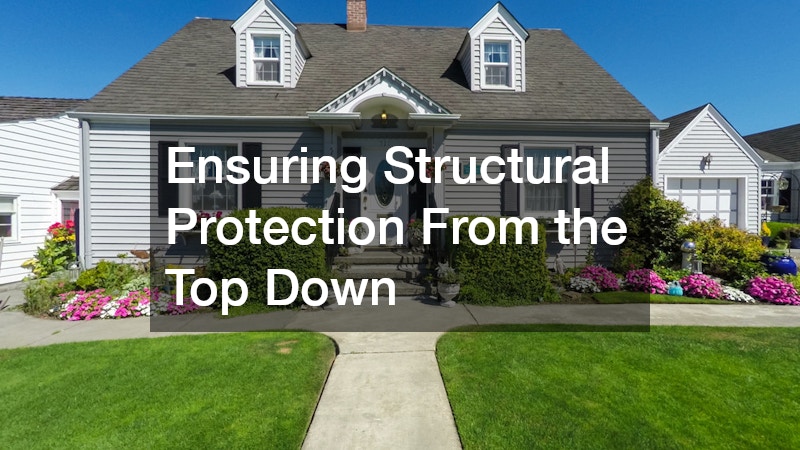
Every home improvement strategy begins at the top. A dependable roofing service is the cornerstone of property protection. The roof shields everything beneath it, framing, insulation, electrical systems, finishes, and personal belongings.
Roofing problems often develop quietly. Minor damage from wind, heat, or debris can allow moisture to enter gradually. Over time, that moisture compromises insulation, weakens wooden components, and creates conditions for mold growth. By the time interior signs appear, repairs are often extensive and costly.
Routine inspections, maintenance, and timely repairs help prevent these scenarios and significantly extend roof’s lifespan.
Hiring Experienced Professionals for Reliable Results
Hiring an experienced roofing contractor ensures that roofing work is done correctly and safely. Professional contractors understand how roofing systems function as integrated units, including ventilation, drainage, flashing, and material compatibility.
In modern properties, roofing decisions directly affect energy efficiency. Proper installation helps regulate indoor temperatures, reducing heating and cooling costs. For properties with multiple units, consistent roofing maintenance also minimizes tenant disruptions and protects interior investments.
Outdoor Maintenance That Strengthens Properties
At first glance, lawns appear to be a purely aesthetic feature. In reality, professional lawn care services play a critical role in overall property health. Healthy turf stabilizes soil, manages runoff, and prevents erosion that can undermine walkways and foundations.
Modern lawn care emphasizes sustainability and soil health rather than superficial appearance. Professionals assess grass type, soil composition, drainage patterns, and irrigation needs. Proper mowing heights, seasonal treatments, and aeration all contribute to stronger root systems.
On shared properties, well-maintained lawns
create safer outdoor spaces, improve drainage performance, and reinforce the perception of a well-managed environment.
Managing Trees for Safety and Longevity
Trees add beauty, shade, and character to a property, but they can also pose risks if they become unhealthy or poorly positioned. Strategic tree removal is sometimes necessary to protect buildings, utilities, and residents.
As trees age, internal decay may weaken them without visible warning signs. Storms, shifting soil, and root damage can further compromise stability. When trees overhang roofs, sidewalks, or parking areas, the risk of damage increases significantly.
Removing hazardous trees early helps prevent costly structural repairs and reduces liability concerns. It also creates opportunities to redesign outdoor spaces and introduce healthier plantings better suited to the property’s layout.
Planning Outdoor Spaces with Expert Guidance
A professional landscape designer approaches outdoor spaces with a long-term perspective. Rather than focusing on individual plants, designers evaluate h
ow all elements of the landscape interact.
This includes analyzing soil quality, drainage flow, sunlight exposure, and pedestrian movement. Designers also consider how plants will grow and mature, ensuring they do not overcrowd one another or interfere with structures.
Well-designed landscapes are easier to maintain and more resilient to weather changes. For modern properties, thoughtful landscaping enhances usability while supporting environmental and structural health.
Preparing the Site for Improvement Projects
Before many improvement projects can move fo
rward, properties require land clearing. Overgrown vegetation, debris, and uneven terrain can interfere with construction, landscaping, and drainage planning.
Clearing the land creates visibility and access. It allows professionals to accurately assess site conditions, identify potential issues, and plan improvements efficiently. Land clearing also prevents invasive plants from spreading into newly developed areas.
Whether preparing for landscaping upgrades, utility work, or structural additions, proper land clearing establishes a stable foundation for future improvements.
Proper Site Excavation for Longevity
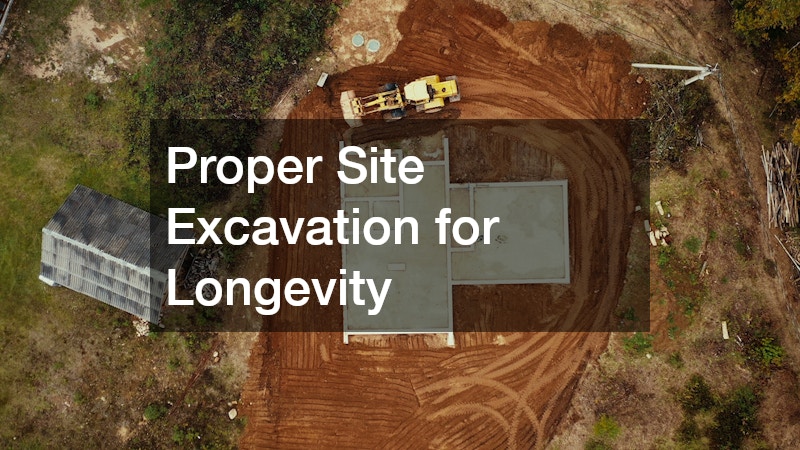
Few services influence long-term property performance as directly as excavation. Though often hidden once work is complete, excavation supports foundations, drainage systems, walkways, retaining walls, and outdoor features.
Precision is essential. Improper grading or soil compaction can lead to settling, standing water, and structural instability. In modern properties, excavation is closely tied to water management, ensuring runoff is directed safely away from buildings.
Even smaller projects, such as patios or driveways, rely on professional excavation to prevent premature failure and costly repairs.
Enhancing Interior Comfort and Function
While exterior services protect the structure and landscape, interior improvements determine what the property feels like to live in. Thoughtful upgrades improve comfort, functionality, and satisfaction without requiring major renovations.
Window blinds serve both functional and aes
thetic purposes. They regulate natural light, improve privacy, and help control indoor temperatures. By reducing heat gain in summer and retaining warmth in winter, blinds contribute to lower energy consumption.
In rental properties, durable window treatments offer consistency across units while reducing maintenance costs. They also allow residents to personalize
lighting without making permanent alterations.
Updating bathroom mirrors is one of the simplest ways to modernize interior spaces. Mirrors influence lighting, enhance perceived space, and act as visual anchors in bathroom design.
When paired with updated lighting and fixtures, modern mirrors can dramatically improve the look and usability of bathrooms without extensive remodeling.
Strategic Management for Multi-Unit Properties
Maintaining apartments for rent requires balancing durability, cost efficiency, and tenant appeal. Improvements must withstand frequent usewhile still creating a comfortable living environment.
Exterior services such as roofing, lawn care, and tree maintenance improve first impressions and reduce long-term maintenance issues. Interior upg
rades like blinds and mirrors refresh units quickly between tenants.
Strategic improvements also reduce turnover. When residents feel comfortable and confident in their living space, they are more likely to renew leasesand treat the property responsibly.
Coordinating Multiple Services for Better Results
One of the most common mistakes in home improvement is treating services independently. In reality, every service affects the others. Land clearing and excavation influence the success of landscaping. Tree placement affects roof longevity.
Lawn health depends on grading and drainage. Interior comfort relies on structural protection.
When services are coordinated, improvements reinforce one another rather than conflict. This approach reduces rework, prevents scheduling conflicts, and produces stronger long-term results.
Integrating Indoor and Outdoor Upgrades
Home improvement isn’t just about isolated upgrades— it’s about creating a cohesive property where indoor and outdoor spaces complement each other. Many property owners underestimate how interconnected elements like roofing, landscaping, and interior finishes truly are.
For instance, the work of a skilled roofing contractor doesn’t just protect the structure; it also ensures that interior features, such as bathroom mirrors or window blinds, remain safe from moisture damage and warping. A sturdy, well-maintained roof also red
uces energy costs, making climate control more effective inside, which is especially important for apartments for rent where multiple tenants rely on consistent comfort.
Similarly, lawn care services and proper tree removal aren’t only about curb appeal— they’re also about property longevity and safety. Overgrown roots can disrupt walkways or underground utilities, while diseased or unstable trees pose hazards during storms. When outdoor maintenance is paired with thoughtful planning from a professional landscap
e designer, every element of the property contributes to both aesthetics and structural health.
Even small interiordetails benefit from this integrated approach. Installing durable window blinds in living spaces complements energy-efficient roofing choices by controlling heat and sunlight, which keeps cooling and heating systems from overworking. Likewise, upgrading bathroom mirrors in units for rent not only improves visual appeal but signals to tenants that the property is well-maintained— a key factor in reducing turnover and attracting long-term renters. Combining these indoor improvements with strategic outdoor work ensures a harmonious balance that enhances both functionality and appearance.
Ultimately, seeing a property as a complete system rather than a series of individual projects creates better outcomes. Coordination between roofing service, landscaping, land clearing, and interior upgrades ensures that every dollarspent contributes to long-term value. Property owners can prevent costly mistakes, protect investments, and provide safe, comfortable living spaces. By approaching improvements holistically, modern homeowners and property managers maximize both efficiency and tenant satisfaction, creating spaces that are durable, attractive, and ready for the future.
Preventative Maintenance for Long-Term Value
Preventive maintenance is one of the most effective ways to manage long-term costs. Routine inspections, seasonal services, and early interventions prevent minor issues from escalating.
A proactive roofing service can extend roof life by years. Consistent lawn care services reduce erosion and drainage problems. Regular tree evaluations lower storm damage risks.
For property owners, preventative care leads to predictable budgets and fewer emergency repairs.
Embracing Sustainable Practices
Sustainability is no longer optional in modern property management. Many essential services now incorporate environmentally responsible practices.
Energy-efficient roofing materials, water-conscious landscaping designs, and eco-friendly lawn treatments reduce environmental impact while lowering operating costs. Modern excavation techniques also minimize soil disruption and preserve surrounding ecosystems.
Sustainable improvements create properties that are resilient, efficient, and attractive to environmentally conscious residents.
Selecting the Right Professionals
The success of home improvement projects depends heavily on the professionals involved. Experienced providers understand how their services fit into a broader strategy.
Look for teams that communicate clearly, explain their recommendations, and prioritize long-term performance over quick fixes. Strong professional relationships lead to smoother projects and better results.
Planning for Adaptability
Modern properties must remain adaptable. Improvement strategies should support future upgrades rather than restrict them.
Roofing systems, landscaping layouts, and interior finishes should allow flexibility as needs change. Planning with adaptability in mind ensures properties remain functional, competitive, and valuable over time.
Enhancing Curb Appeal and Functionality
Small, thoughtful improvements to a property’s exterior can make a big difference in both appearance and long-term performance. Regular lawn care services not only keep grass lush and vibrant but also improve drainage and prevent soil erosion.
Strategic tree removal opens up space for new plantings and reduces the risk of damage from overgrown branches. Meanwhile, a well-executed landscape plan by a professional landscape designer ensures that every plant, pathway, and outdoor feature contributes to the property’s overall usability. Even basic land clearing and excavation work can prepare the site for enhancements, creating safer, more accessible spaces while improving overall curb appeal. By combining these exterior upgrades with interior touches like window blinds and updated bathroom mirrors, property owners can create cohesive spaces that are both inviting and practical.
Creating Lasting Impressions
Essential home improvement services form the backbone of modern properties. When roofing service, lawn care services, tree removal, land clearing, and excavation are approached strategically, they create a strong foundation for long-term performance.
Interior upgrades, such as window blinds and bathroom mirrors, enhance daily comfort, while thoughtful outdoor planning guided by a landscape designer improves both function and appearance.
Whether improving a private residence or managing apartments for rent, a coordinated, forward-thinking approach to home improvement protects the investment and supports the people who rely on the space every day.
 Home Improvement News