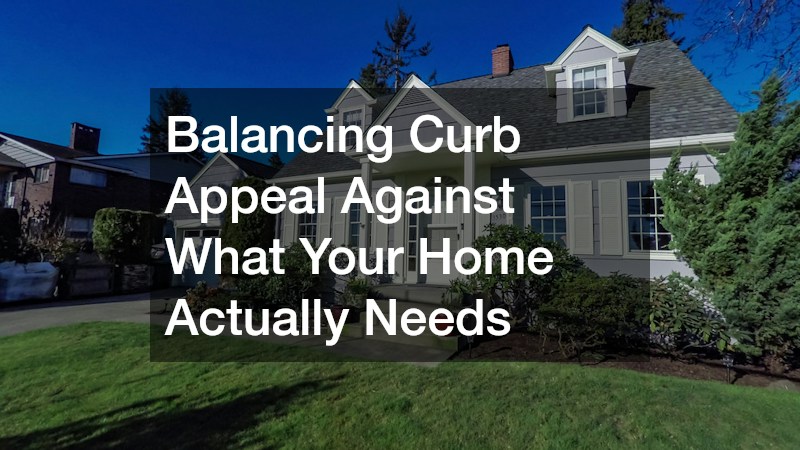
When you’re deciding where to put your next home improvement dollar, it’s tempting to chase the upgrades that photograph well. But a home is a system of parts working together, and the pipes, wiring, and mechanical systems hidden behind the walls often matter more to your daily comfort and your wallet than a fresh coat of paint on the porch railing. The real skill is learning to weigh a project’s visual payoff against the quiet, unglamorous repairs that keep a house functional and safe. This guide walks through the most common trade-offs homeowners face so you can prioritize with confidence instead of guesswork.
Weigh Your Roof’s Condition Before Any Exterior Refresh
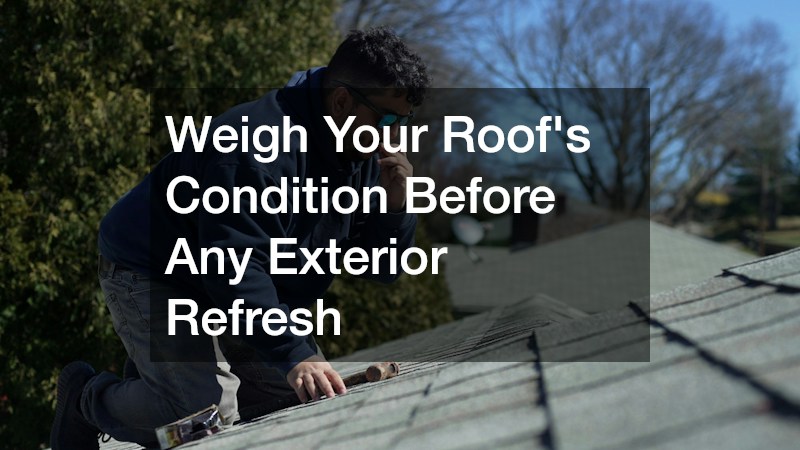
Your roof is one of the first things people notice, but its importance goes far beyond appearance since it’s the single biggest barrier between your home and the elements. Before you invest in landscaping or a new front door, it’s worth having roofers inspect the shingles, flashing, and gutters for signs of wear that aren’t always visible from the ground. Curling shingle edges, granules collecting in the gutters, and rusted flashing around chimneys or vents are all early warning signs that a trained eye will catch long before a leak shows up on your ceiling. A roof that’s five to ten years from the end of its life can still look fine in photos while hiding leaks that will cost far more to fix later. Asphalt shingles typically last 20 to 25 years, but factors like poor attic ventilation, hail damage, or a cheap initial installation can shave years off that lifespan without any obvious outward sign. It’s also worth considering the math: a roof replacement can run several thousand dollars, but a hidden leak left unaddressed can lead to rotted decking, mold, and damaged insulation that multiply the repair bill several times over. Spending a little now on a professional inspection is far cheaper than discovering structural damage after you’ve already sunk money into curb-appeal upgrades that a roof problem could undermine anyway.
Before touching paint colors or porch fixtures, take a hard look at what’s happening over your head. A roof with curling shingles, bald patches, or soft spots under the eaves is a sign that cosmetic upgrades elsewhere will be wasted money if water starts getting in. Roofing contractors generally suggest a full inspection every three to five years, or immediately after a major storm, so small issues don’t turn into structural ones. If you do need a replacement, this is also the moment to think about long-term durability rather than just curb appeal. Many roofing contractors now recommend upgraded materials for homeowners who want fewer repairs down the line and better resistance to severe weather. Architectural asphalt shingles, for instance, typically last 25 to 30 years and hold up better against wind than basic three-tab versions, while metal roofing can run 40 to 50 years with minimal maintenance despite a higher upfront cost. A good contractor will walk you through the tradeoffs between cost, lifespan, and appearance so the decision feels informed rather than rushed. They should also factor in your climate — homeowners in hail-prone or coastal regions, for example, often benefit from impact-resistant or corrosion-resistant materials even if they cost more initially. Getting this right protects everything else you invest in the exterior, since a failing roof can undercut even the most carefully chosen siding or landscaping.
- Check attic insulation and ventilation while the roof is already being evaluated — poor airflow can trap heat and moisture, cutting your new roof’s lifespan short
- Look for granule loss or curling shingles as early warning signs, along with dark streaks, moss patches, or sagging decking that signal deeper damage
- Ask about warranty coverage for both materials and labor, including how long each lasts and whether it transfers to a new homeowner if you sell
- Compare quotes from at least two licensed professionals before committing, paying attention to the materials specified, not just the bottom-line price
- Confirm each contractor is insured and bonded, and ask for references or photos from recent local jobs
- Factor roof age into your decision — most asphalt shingles last 20-25 years, so curb appeal upgrades on an aging roof may need to wait
Decide Whether a Front Porch Rebuild Adds Real Value
A charming entryway can transform how a house feels from the street, and it’s often the first upgrade homeowners consider when thinking about resale value. Working with an experienced front porch builder can help you figure out whether a full rebuild, a partial repair, or simple cosmetic updates make the most sense for your budget and your home’s structure. Rotting support posts or a sagging foundation under an existing porch should always take priority over decorative railings or new paint colors.
It’s also worth considering how the porch integrates with the rest of your home’s exterior before committing to a design. A mismatched addition can actually hurt curb appeal rather than help it, even if the individual craftsmanship is excellent. Take time to look at your neighborhood’s architectural style and talk through proportions and materials before finalizing plans.
Address HVAC Problems Before They Become Emergencies
Nothing undermines the enjoyment of a beautifully updated home faster than a system that can’t keep the house comfortable. If your energy bills have been climbing or certain rooms never feel right, it may be time to schedule air conditioning and heating repair rather than waiting for a full breakdown in the middle of a heat wave or cold snap. Catching small issues early, like a failing capacitor or clogged condensate line, is almost always cheaper than emergency repairs.
Comfort systems also tend to be invisible until they fail, which is exactly why they get neglected in favor of visible upgrades. Scheduling routine maintenance twice a year keeps the system running efficiently and extends its lifespan significantly. A home that looks stunning but can’t maintain a comfortable temperature will frustrate both you and future buyers.
- Replace air filters every one to three months depending on usage
- Have ductwork checked for leaks that waste conditioned air
- Keep outdoor units clear of debris and overgrown landscaping
- Track unusual noises or smells as early warning signs of bigger problems
Plan Ahead for Seasonal Heating Needs
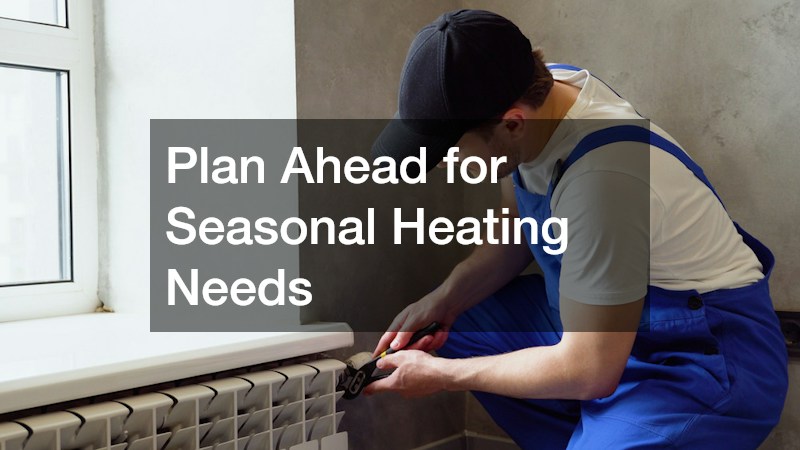
Winter has a way of exposing every weakness in a home’s heating system, often at the worst possible time. A furnace that’s been quietly struggling since spring can fail entirely during the first hard freeze, leaving you without heat precisely when HVAC companies are swamped with emergency calls and quoting multi-day wait times for heating repair. Scheduling a seasonal tune-up before the cold season hits gives technicians time to diagnose issues without the pressure of a freezing house and a backlog of emergency calls. A typical fall inspection covers things like checking the heat exchanger for cracks, testing the thermostat’s calibration, inspecting electrical connections, and replacing a dirty air filter that could be restricting airflow. Catching a worn igniter or a failing blower motor in October costs far less than an emergency repair in January, both in parts and in the premium rates many companies charge for after-hours service. Many homeowners wait until the first cold snap to think about their furnace, but proactive maintenance in early fall almost always saves money and stress. Booking service in September or early October also tends to be easier to schedule and sometimes cheaper, since technicians aren’t yet buried under peak-season demand. It’s a small investment of time that pays off in reliability exactly when you need it most.
A fresh coat of paint or a new front door might catch a buyer’s eye, but a furnace that fails in January will matter far more to the people actually living in the house. Most HVAC professionals recommend having your heating system inspected annually, ideally in early fall before temperatures drop and service schedules fill up. A typical inspection costs between $75 and $200 and can catch issues like cracked heat exchangers, worn belts, or clogged filters before they turn into a $3,000-plus replacement. Beyond comfort, a well-maintained heating system also affects indoor air quality and safety, particularly for homes with older furnaces or aging ductwork. Leaky or dirty ducts can circulate dust, allergens, and even mold spores throughout the house, while an aging furnace is more prone to incomplete combustion. Carbon monoxide detectors should be tested alongside any seasonal inspection, since a malfunctioning furnace can pose serious risks beyond simple discomfort, and batteries should be replaced at least once a year. Homeowners should also take stock of how old their system actually is. Furnaces typically last 15 to 20 years, and heat pumps a bit less, so a unit nearing that age deserves closer attention even if it’s still technically running. Thinking about heating needs now, rather than reactively, is one of the clearest examples of substance over style.
Understand What’s Happening Beneath Your Yard
Curb appeal often stops at the edge of the lawn, but what’s happening underground can quietly undermine everything above it. Homes relying on a septic system need regular septic tank pumping to prevent backups, odors, and far more expensive repairs to the drain field. Skipping this maintenance to spend money on landscaping instead is a classic example of prioritizing appearance over function, and it tends to backfire within a few years.
Soil composition around your home also plays a bigger role in curb appeal than most people realize, since poor drainage can kill new landscaping and cause uneven settling near walkways or patios. Builders sometimes recommend flowable fill to stabilize low spots or fill old excavation areas before new hardscaping goes in. This kind of underground prep work isn’t visible once the project is finished, but it determines whether your beautiful new patio or walkway stays level for years to come.
- Have septic systems inspected every one to three years depending on household size
- Watch for slow drains or soggy patches in the yard as warning signs
- Ask contractors about soil stabilization before major hardscaping projects
- Keep heavy vehicles and equipment off the drain field area
Fix Structural and Mechanical Issues Before Cosmetic Ones
It’s natural to want to see immediate results from a renovation budget, but structural and mechanical problems should almost always come first. A cracked foundation, failing roof decking, or outdated electrical panel won’t show up in a listing photo, yet they directly affect safety and resale value. Buyers and inspectors alike will flag these issues quickly, often derailing a sale even if the kitchen looks brand new.
One often-overlooked component is roof metal decking, which provides the structural base beneath shingles or other roofing materials and can deteriorate from moisture exposure over time. Replacing damaged decking during a roof project costs more upfront but prevents sagging, leaks, and mold growth that are far more expensive to address later. Prioritizing these hidden components protects both your investment and your family’s safety.
Keep Plumbing in Good Working Order Before Upgrading Fixtures
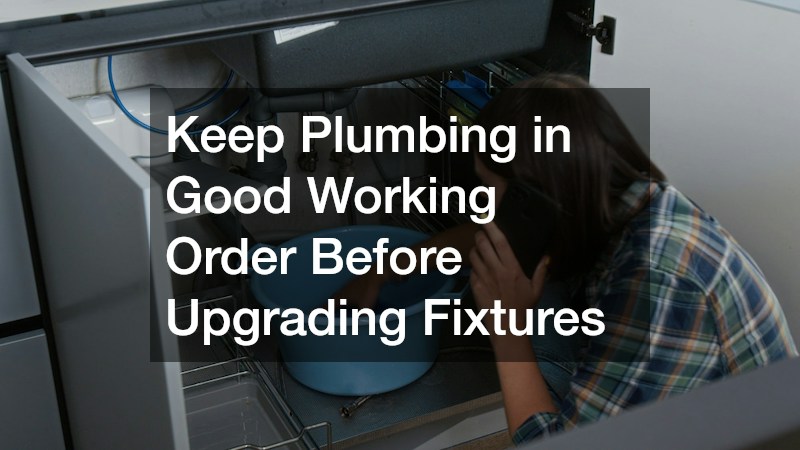
New faucets and a stylish vanity can make a bathroom feel instantly updated, but none of it matters if the pipes behind the walls are failing. Hiring licensed plumbers to assess water pressure, pipe material, and drainage before a cosmetic remodel can save you from tearing out brand new finishes later. Older homes in particular may have galvanized or outdated piping that needs replacement regardless of how the fixtures look.
Water damage is also one of the most expensive problems a homeowner can face, and it often starts small and invisible behind walls or under floors. A slow leak under a sink or around a toilet base can cause rot and mold long before it becomes visible. Addressing these issues first protects the investment you’re about to make in visible upgrades.
- Have main water lines inspected in homes older than thirty years
- Check water heater age and efficiency before planning bathroom upgrades
- Watch for unexplained increases in your water bill
- Test water pressure throughout the house, not just in one bathroom
Schedule Routine System Checkups to Avoid Costly Surprises
Many of the biggest home repair expenses come from deferred maintenance rather than sudden disasters. Scheduling regular HVAC services alongside plumbing and electrical checkups creates a predictable maintenance rhythm instead of a string of emergencies. This approach also makes it easier to budget for cosmetic projects since you aren’t constantly diverting funds toward unexpected repairs.
Think of your home’s systems the way you’d think of your own health, where regular checkups catch small problems before they become serious. Homeowners who build a simple annual maintenance calendar tend to spend less overall and experience fewer surprises at resale time. This habit also gives you more freedom to invest confidently in the curb appeal projects you actually want.
- Create a seasonal checklist covering HVAC, plumbing, roofing, and exterior drainage
- Keep records of inspections and repairs for future buyers or insurance claims
- Budget a small percentage of home value annually for maintenance
- Address small issues immediately rather than letting them compound
Striking the right balance between curb appeal and core home function comes down to sequencing, not sacrifice. Handle the structural, mechanical, and underground systems first, and the cosmetic upgrades you invest in afterward will actually last. Start by getting a clear picture of your home’s current condition, prioritize the repairs that protect its value, and then enjoy the visible improvements knowing they’re built on a solid foundation.
 Home Improvement News