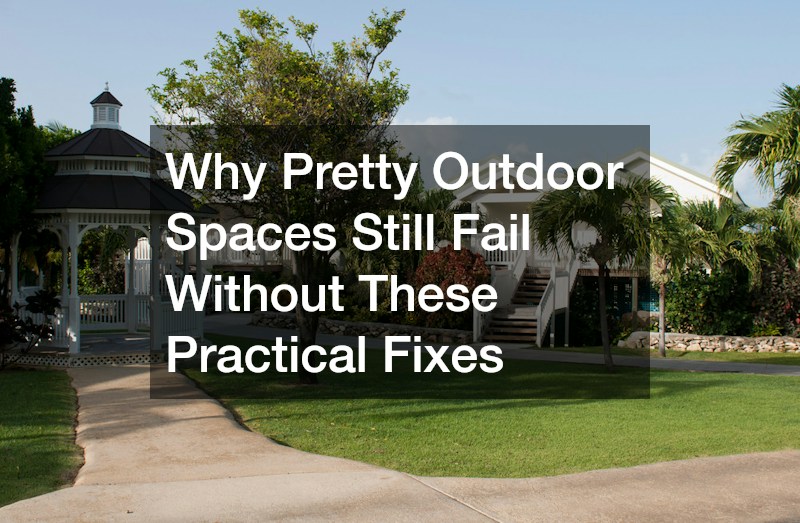
A freshly landscaped yard with a new patio and trimmed hedges can look like a magazine spread on the day it’s finished, but looks rarely tell the whole story. Underneath that polished surface are systems that determine whether your outdoor space actually holds up through seasons of rain, heat, and daily use. Homeowners often spend their entire budget on visible upgrades and skip the unglamorous fixes that prevent water damage, equipment failure, and costly do-overs. This article walks through the practical, often-overlooked repairs and maintenance tasks that keep a beautiful yard functional for the long haul.
Fixing Soil and Drainage Problems Before You Landscape
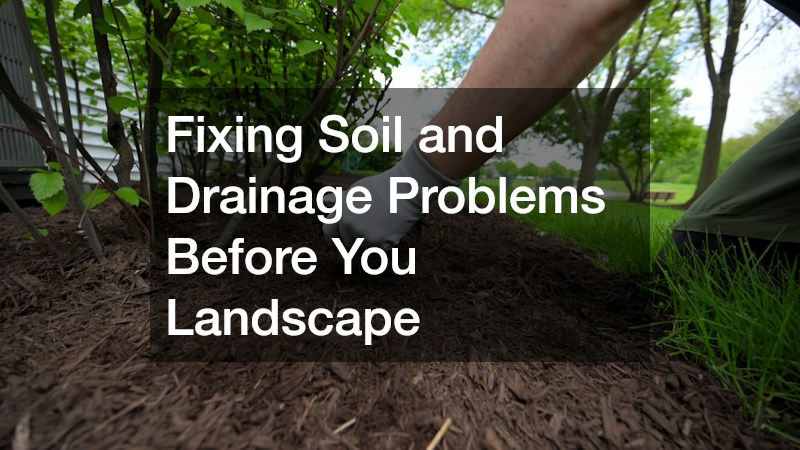
A gorgeous flower bed or sodded lawn means little if water pools around your foundation or drowns your plants every time it rains. Grading issues are one of the most common reasons new landscaping fails within the first year, since water naturally follows the path of least resistance and will find low spots no matter how nice the plants look on top. The general rule of thumb is a slope of at least 2% away from your home, which translates to roughly a 2-inch drop for every 10 feet of distance from the foundation. Before investing in anything decorative, it’s worth walking your property after a heavy rain to see where water collects and how long it takes to drain. Standing water that lingers for more than 24 hours is a red flag, as is any pooling within a few feet of your foundation, since that moisture can eventually seep into basements or crawl spaces. Pay attention to soil type too — heavy clay drains far slower than sandy or loamy soil and may need amendment or a dedicated drainage solution before anything is planted. If you spot problem areas, there are a few practical fixes worth considering before the planting begins. French drains can redirect groundwater away from trouble spots, dry wells can capture runoff from downspouts, and simple regrading with added topsoil can correct minor slope issues. For larger properties with persistent wet spots, a rain garden filled with water-tolerant plants can turn a drainage problem into a functional design feature instead of a recurring headache.
Once you understand your drainage patterns, applying a fresh layer of mulch around garden beds can help regulate soil moisture and reduce erosion from runoff. A 2 to 3 inch layer is usually the sweet spot — too thin and it won’t suppress weeds effectively, too thick and it can suffocate roots or trap excess moisture against stems. Organic mulches like shredded bark, wood chips, or compost break down over time and actually improve soil structure as they decompose, which is especially helpful if you’re dealing with compacted clay or fast-draining sand. Inorganic options like gravel or rubber mulch last longer but won’t contribute any nutrients back to the soil, so the right choice depends on what your plants actually need. Mulch also insulates plant roots from temperature swings and slows weed growth, which means less maintenance work later in the season. Just be sure to keep mulch pulled back a few inches from tree trunks and plant stems to avoid rot and pest problems, and plan to refresh organic mulch annually as it thins out.
- Walk the yard during or right after rainfall to spot pooling areas, and mark them with stakes so they’re easy to find once the ground dries
- Regrade sloped areas so water flows away from the house, aiming for a slope of about 2% (roughly a 2-inch drop for every 10 feet) across the first 10 feet of foundation
- Add a two to three inch layer of mulch around beds to manage moisture, keeping it a few inches back from stems and siding to prevent rot
- Use permeable materials like gravel, permeable pavers, or decomposed granite in low-traffic areas to encourage absorption
- Check for compacted soil in heavily walked areas and aerate it, since compacted ground sheds water instead of soaking it in
- Consider a French drain or dry well for persistent low spots that regrading alone can’t fix
Catching Hidden Water Leaks Around the Yard
Not every water problem is visible on the surface. A slow leak in an underground pipe can quietly erode soil, create soggy patches, and inflate your water bill for months before anyone notices. Professional leak detection equipment can pinpoint the exact location of a hidden leak without tearing up your entire yard, saving both time and money compared to guesswork.
Signs of an underground leak include unexplained wet spots, unusually lush patches of grass surrounded by drier areas, or a water meter that keeps running when every fixture in the house is off. Catching these issues early protects your landscaping investment and prevents structural damage to nearby hardscaping like patios or walkways.
- Check your water meter periodically for unexplained movement
- Look for soggy spots that appear without recent rainfall
- Note any sudden spikes in your monthly water bill
- Address small leaks quickly before they undermine soil stability
Keeping Your Sprinkler System Running Efficiently
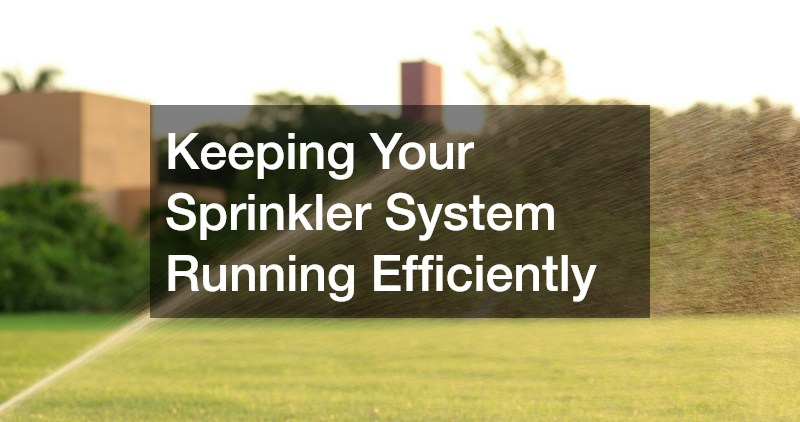
A well-designed irrigation system is one of the best investments for keeping a lawn and garden healthy without constant manual watering. But even a good system needs regular checkups, since broken sprinkler heads, clogged nozzles, and misaligned timers waste water and leave some areas parched while others get flooded. Running a quick test of each zone every few months helps you catch problems before they show up as dead patches of grass.
Seasonal adjustments matter too. Watering needs change dramatically between summer heat and cooler fall months, so a system left on the same schedule year-round often does more harm than good.
- Inspect sprinkler heads for clogs, tilting, or breakage each season
- Adjust watering schedules based on temperature and rainfall
- Install a rain sensor to prevent watering during storms
- Check for pooling or runoff that signals overwatering in certain zones
Knowing When a Pipe Problem Needs a Professional
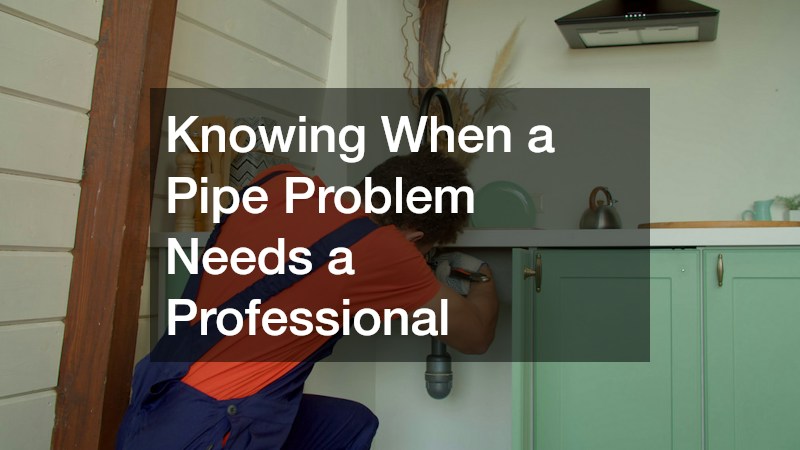
Outdoor plumbing issues don’t always stay outdoors. A cracked pipe feeding an outdoor faucet or a backed-up drain line can eventually affect your home’s interior plumbing if left unaddressed. While minor fixes like replacing a hose bib washer are manageable for most homeowners, more complex issues involving buried lines or main connections call for a licensed plumber who can diagnose the root cause rather than just patching symptoms.
Waiting too long to address a plumbing issue in the yard often leads to bigger repair bills, since water damage spreads underground before it becomes visible. Getting a professional opinion early can save you from replacing an entire section of lawn or hardscaping later.
- Watch for gurgling sounds near outdoor drains
- Note slow-draining areas after you run outdoor faucets
- Call in help for anything involving main water lines
- Don’t ignore a sudden drop in outdoor water pressure
Making Sure Your Outdoor Living Space Stays Comfortable

Patios and decks are often the centerpiece of outdoor entertaining, but without proper shade and airflow planning, they can become unusable during the hottest months. Well-built patio covers do more than add visual interest; they block direct sun, reduce glare, and can lower the surface temperature of your patio by a significant margin. Choosing the right material and angle for your climate makes the difference between a space you use daily and one that sits empty all summer.
Beyond comfort, a covered structure protects outdoor furniture, grills, and flooring from sun damage and weathering. This extends the life of your investment and reduces how often you need to replace cushions, finishes, or sealants.
- Choose materials based on your region’s sun exposure and rainfall
- Consider louvered or adjustable covers for flexible shade control
- Factor in drainage so covers don’t create new runoff problems
- Pair covers with ceiling fans or misting systems for added comfort
Maintaining a Healthy Lawn Beyond the Initial Planting
New sod or seed looks great for the first few weeks, but long-term lawn health depends on consistent feeding and soil care. Many homeowners underestimate how much nutrients get depleted over a growing season, especially in high-traffic yards. Scheduling regular lawn fertilizing services at the right times of year helps grass develop deeper roots, resist drought, and fend off weeds more effectively than sporadic DIY treatments.
Timing matters as much as the product used. Fertilizing at the wrong time of year, such as right before a heat wave, can actually stress the grass instead of helping it, so following a seasonal schedule tends to produce better results than a one-time application.
- Fertilize according to your grass type and local climate
- Avoid heavy applications right before extreme heat or cold
- Pair fertilizing with regular mowing at the correct height
- Test soil periodically to catch nutrient deficiencies early
Clearing Debris and Waste During a Major Yard Renovation
Any significant outdoor project, whether it’s removing an old deck, clearing overgrown shrubs, or tearing out a cracked patio, generates far more waste than people expect. Trying to haul it all away in small loads wastes time and often costs more in multiple trips to a disposal site. Renting a roll off dumpster for the duration of a renovation keeps the work site organized and makes cleanup dramatically more efficient.
Having a dedicated space for debris also reduces safety hazards, since scattered materials like broken concrete or nails can cause injuries if left lying around during a project. Planning for waste removal before the work begins is just as important as planning the design itself.
- Estimate debris volume before choosing a dumpster size
- Keep the drop-off area clear of walkways and utility lines
- Separate recyclable materials like metal or wood when possible
- Schedule pickup promptly once the project wraps up
Protecting Property Lines With a Durable Fence
A fence does more than mark boundaries; it provides privacy, contains pets, and frames the overall look of your landscaping. Wood fencing requires regular staining and repair, which is why many homeowners now turn to a vinyl fence contractor for a low-maintenance alternative that holds up against moisture, pests, and fading. Vinyl options have also improved significantly in style variety, so durability no longer means sacrificing curb appeal.
Proper installation matters just as much as material choice. A fence that isn’t set deep enough or anchored correctly can shift over time, especially in areas with freeze-thaw cycles or expansive soil.
- Confirm post depth matches your region’s frost line
- Ask about warranty coverage for panels and hardware
- Choose a style that complements your home’s existing design
- Inspect gate hardware periodically since it wears faster than panels
Keeping Your Cooling System Ready for Outdoor Entertaining
Outdoor living spaces often connect directly to how comfortable your home feels during hot months, especially when doors stay open for guests moving between indoor and outdoor areas. Every time a patio door swings open during a barbecue or pool party, conditioned air escapes while warm, humid air rushes in to replace it. A struggling air conditioner has to work harder when this happens repeatedly throughout an entertaining season, which is why scheduling AC repair before peak season prevents a complete breakdown during the busiest time of year. Small issues like refrigerant leaks or dirty coils often start quiet but escalate quickly under heavy summer use. A system low on refrigerant might only run a few degrees warmer at first, but that gap widens fast once outdoor temperatures climb into the 90s and the unit is cycling constantly to keep up with guests moving in and out. It helps to have a technician check a few specific things before the season gets underway: refrigerant levels, condenser coil cleanliness, airflow through the ductwork, and the condition of the capacitor and fan motor. Replacing a $15 capacitor during a routine spring tune-up is far cheaper than an emergency service call in July, when wait times stretch longer and parts can be harder to source. Homeowners who frequently host outdoor gatherings should also consider a programmable thermostat or smart sensor that adjusts cooling based on door activity, reducing strain on the system without sacrificing comfort for guests inside.
A backyard party doesn’t stop at the patio doors — open windows, extra foot traffic, and propped-open screens all force your AC to work harder to keep the indoors comfortable. Routine air conditioning services help that system keep pace by improving energy efficiency, which matters more when you’re running the unit longer hours to cover both indoor and outdoor gatherings. A seasonal tune-up typically covers refrigerant levels, coil cleaning, and checking the condenser fan, all of which affect how efficiently the system cools on a hot, crowded afternoon. Technicians can also catch worn belts, aging capacitors, or clogged filters that quietly drive up energy bills before they fail outright. Scheduling this inspection a few weeks before your busy entertaining season gives you a buffer to fix small issues without rushing. Catching a weak capacitor or a dirty coil in spring beats discovering it mid-July, with guests on the patio and the system struggling to keep up.
- Schedule a tune-up before temperatures peak each year, ideally in early spring, so a technician can catch refrigerant leaks or worn parts before you’re hosting guests in the heat
- Replace air filters monthly during heavy use periods, since a clogged filter forces the system to work harder and drives up energy bills
- Keep outdoor units clear of leaves, dust, and nearby clutter, maintaining at least two feet of open space around the unit for proper airflow
- Monitor for unusual noises or inconsistent cooling, like rattling, grinding, or rooms that never quite reach the set temperature
- Trim back plants and shrubs regularly so landscaping doesn’t choke airflow to the condenser over the summer
- Check that patio furniture, grills, or storage bins never get pushed against the unit during outdoor gatherings
A beautiful outdoor space is only as good as the systems working quietly beneath and around it, from drainage and irrigation to fencing and climate control. Taking the time to address these practical fixes now prevents bigger, more expensive problems down the road. Start by walking your property with a critical eye, note what needs attention, and tackle one system at a time rather than waiting for a failure to force your hand.
 Home Improvement News