
When the power goes out, a storm floods your street, or a pipe bursts at 2 a.m., the resilience of your home determines how quickly life gets back to normal. Most homeowners never think about emergency preparedness until they are standing in a flooded basement or a dark kitchen wondering what to do next. The good news is that a home can be designed and upgraded, piece by piece, to handle the unexpected with far less stress and expense. This guide walks through the key systems worth evaluating now, before an emergency forces the decision for you.
Plan Your Backup Power and Water Heating Systems
A home that can keep functioning during an outage starts with reliable utilities, and hot water is one of the first comforts people lose track of until it is gone. If your unit is more than eight to ten years old, it is worth thinking ahead about water heater replacement before a failure leaves you without hot water during an already stressful event like a winter storm or extended power loss. Newer tankless or hybrid models often handle outages and temperature swings better than aging tank units, and many can be paired with backup power sources.
Planning this upgrade on your own schedule, rather than during a crisis, gives you time to compare efficiency ratings, warranty terms, and installation costs. It also means one less system to worry about when other emergency repairs are competing for your attention and budget.
Protect Your Lowest Levels From Rising Water

Basements and ground-floor entry points are the most vulnerable parts of a home during heavy rain or seasonal flooding. Installing flood protection barriers around doors, window wells, and foundation vents can significantly reduce the amount of water that makes it inside during a storm surge or flash flood. These barriers range from simple sandbag alternatives to engineered panel systems that slide into place within minutes.
Combining physical barriers with proper grading and gutter maintenance creates layered protection that works together rather than relying on a single defense. Homeowners in flood-prone areas should also keep an inventory of which doors and windows are most at risk so barriers can be deployed quickly when a warning is issued.
- Check local flood maps to identify your home’s actual risk level
- Store barrier systems somewhere accessible, not buried in storage
- Test the fit of barriers before the first storm of the season
- Pair barriers with a sump pump and battery backup for added protection
Keep Your Heating System Running Through Winter Emergencies
Losing heat during a winter storm is more than an inconvenience; it can become dangerous within hours, especially for young children, elderly residents, or anyone with a chronic health condition. Indoor temperatures can drop into the 50s within half a day once a furnace fails, raising the risk of hypothermia and frozen pipes in the same breath. Scheduling regular maintenance with experienced heating companies helps catch small issues, like a failing igniter, a clogged filter, or a cracked heat exchanger, before they turn into a total system shutdown during the coldest week of the year. Most technicians recommend a professional tune-up once a year, ideally in early fall before the first cold snap hits. During that visit, they typically check the thermostat calibration, inspect electrical connections, test the ignition system, and measure carbon monoxide levels to confirm the unit is burning fuel safely. A furnace that has not been serviced in a year or more is far more likely to fail exactly when you need it most. Beyond routine maintenance, it is worth asking your heating company about backup options, such as a portable space heater rated for indoor use, a wood-burning fireplace insert, or a whole-home generator that can keep the furnace blower running during a power outage. Knowing your system’s age also matters: most furnaces last 15 to 20 years, and if yours is approaching that mark, planning a replacement before an emergency forces the decision can save both comfort and money.
Beyond routine maintenance, it helps to know which local heating contractors offer emergency service calls, since not every company operates around the clock. Ask prospective contractors directly about after-hours availability, typical response times during severe weather, and whether they charge extra for holiday or overnight visits. Having that contact information saved in your phone, along with a backup number, means you are not searching frantically during a blackout or blizzard. It is also worth keeping a small folder of account numbers, system model information, and past service records, since a contractor can diagnose problems faster when they know your furnace’s age and history. If you rent, confirm with your landlord or property manager who is responsible for emergency repairs so there is no confusion when the heat fails at 2 a.m. Some homeowners also choose to install a secondary heat source, such as a wood stove, propane heater, or electric space heater rated for whole rooms, as a backup if the primary system goes down. When choosing a space heater, look for models with automatic shutoff features and a wattage suited to the room’s square footage, typically around 10 watts per square foot. A wood stove requires a properly installed chimney and regular inspection, but it can keep a home warm even through extended power outages when electric systems fail entirely.
Upgrade Windows for Storm Resistance and Insulation

Windows are often the weakest point in a home’s defense against high winds, hail, and flying debris during severe weather. Working with a qualified window installer to upgrade to impact-resistant glass can prevent shattered panes that let wind and water pour into a home during a hurricane or tornado warning. Impact windows also offer better insulation, which helps maintain indoor temperature if the power goes out and heating or cooling is unavailable.
Beyond storm protection, newer windows typically include tighter seals that reduce drafts and energy loss year-round. If your current windows are original to an older home, replacing even a few of the most exposed ones can meaningfully reduce emergency risk without requiring a full-house renovation right away.
Maintain the Hidden Systems That Prevent Sewage Backups
Few emergencies are as unpleasant as a sewage backup, and in homes connected to a municipal or community wastewater system, the culprit is often a failing lift station. Prompt lift station repair prevents wastewater from backing up into basements and bathrooms, which can cause both property damage and health hazards. Homeowners on private systems with a lift station should schedule annual inspections, since pumps and float switches wear out gradually and often fail without obvious warning signs.
Knowing the signs of a struggling system, like gurgling drains or slow-draining tubs, gives you a chance to call for service before a full backup occurs. Addressing these issues early is almost always less expensive and less disruptive than dealing with the aftermath of a sewage emergency.
Secure Reliable Access With Your Garage Entry System
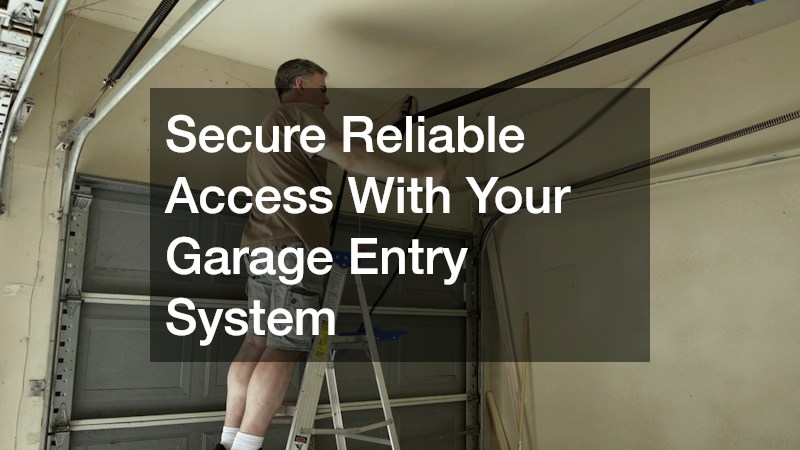
During a power outage or emergency evacuation, your garage door can become a critical point of failure if it will not open or close properly. Many modern garage door openers include battery backup systems that allow the door to operate manually or automatically even when the electricity is out, which matters enormously if you need to leave quickly. Most backup batteries last for a limited number of cycles—often around 20 to 50 door openings—before needing a recharge, so repeated use during an extended outage can drain them faster than expected. Checking that this backup feature works, rather than assuming it does, is a simple step many homeowners skip. Test it a few times a year by disconnecting the opener’s power and running the door through a few open-and-close cycles, ideally during routine maintenance checks. If the battery struggles or the door moves sluggishly, that is a sign it needs replacing before an actual emergency puts it to the test. It also helps to know where the manual release cord is and how to use it, since some situations call for disconnecting the opener entirely and lifting the door by hand. Keep a flashlight or headlamp near the garage entry point in case the outage happens at night. Finally, consider a surge protector or whole-home backup generator connection for the opener itself, since power surges during storms are a common cause of opener failure right when you need it most.
It is also worth keeping the manual release mechanism accessible and in good working order, since not every opener includes battery backup. This red cord, usually hanging near the top of the door, disconnects the trolley from the motor so the door can be lifted by hand during a power outage. Make sure it’s within easy reach and not tangled or obstructed by stored items, since fumbling for it during a crisis wastes precious time. A garage that is stuck shut during an emergency can trap a vehicle you desperately need, so testing this system twice a year takes only a few minutes. Pick a predictable schedule, such as when you change your smoke detector batteries, so the task doesn’t slip your mind. For added security, consider installing a battery backup unit on openers that support one, since these can keep the door functioning for up to 20-25 cycles during an outage. It’s also worth teaching every household member, including teenagers, how to operate the manual release, since you can’t guarantee who will be home when the power fails.
Arrange Temporary Facilities During Major Repairs
When a disaster damages your plumbing or bathroom beyond immediate use, daily life does not pause while repairs happen. Many homeowners are surprised to learn that bathroom trailer rentals are a practical short-term solution during extended renovations or post-disaster recovery, offering clean, functional facilities while permanent repairs are underway. This is especially useful for larger households or situations where a full bathroom remodel will take several weeks.
Renting a temporary unit also reduces the pressure to rush a repair job, which often leads to better craftsmanship and fewer mistakes. It is worth researching rental options in your area before an emergency happens, so you know who to call and what it costs if the need arises suddenly.
Clear Damaged Structures Safely After Severe Events
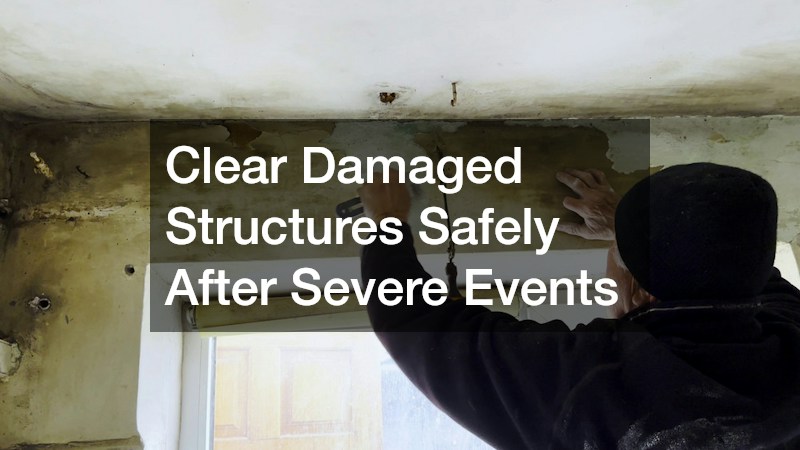
After major storm damage, flooding, or fire, some portions of a home may be unsafe to simply repair and need to come down entirely. Warning signs include sagging rooflines, cracked load-bearing walls, buckled foundations, or lingering structural movement after the initial event. In these cases, hiring licensed demolition contractors ensures that compromised walls, ceilings, or foundations are removed safely without risking further structural collapse or injury. Professional crews bring more than muscle to the job. They understand how to shore up adjacent structures before removal begins, how to shut off utilities to avoid gas leaks or electrical fires, and how to handle hazardous materials like asbestos, mold, or lead paint that older homes may conceal behind damaged walls. Many also carry the insurance and permits required by local building departments, which protects homeowners from liability if something goes wrong mid-project. Attempting this kind of work without proper equipment and training can turn an already difficult situation into a dangerous one. A homeowner swinging a sledgehammer at a weakened wall, for example, has no way of knowing whether it’s still bearing part of the roof’s weight. Letting trained demolition contractors assess the damage first, often alongside a structural engineer, ensures that only what truly needs to go comes down, while salvageable framing and foundations are preserved for rebuilding.
After a fire, flood, or storm leaves part of your home unsafe, clearing the damage isn’t a job for a weekend DIY crew. Structural debris can hide compromised framing, live electrical wiring, gas leaks, or mold growth that isn’t visible until a professional starts pulling things apart. Licensed demolition and remediation contractors know how to assess what’s salvageable versus what poses a continued hazard, and they carry the insurance and permits needed to do the work legally. Professional demolition also simplifies the insurance and rebuilding process, since documented, code-compliant removal is often required before new construction permits are issued. Many insurers specifically require itemized demolition invoices and before-and-after photo documentation to process a claim, so a contractor who knows how to paper-trail their work can save you weeks of back-and-forth. Debris disposal also has to follow local regulations, especially for materials like asbestos siding, lead paint, or treated lumber, which can’t simply go into a standard dumpster. Getting quotes and understanding the process in advance, even if you hope to never need it, helps you move faster if disaster does strike. Ask prospective contractors how quickly they can mobilize after an emergency, since response times can range from same-day to several weeks depending on demand after a widespread disaster. It’s also worth keeping a short list of two or three vetted companies, along with your insurance policy’s documentation requirements, in your emergency binder so you’re not researching this for the first time under stress.
Build an Emergency Readiness Routine for Your Whole Home
Beyond individual systems, resilience comes from a habit of regular checkups and preparedness planning that covers the entire property. Walking through your home twice a year with a simple checklist can reveal small vulnerabilities before they become expensive emergencies.
- Test smoke detectors, carbon monoxide alarms, and battery backups
- Review your emergency contact list for contractors and utility companies
- Confirm your insurance coverage matches your home’s current value and risks
- Keep an emergency supply kit stocked with water, food, and basic tools
- Walk the exterior after storms to check for new damage or weak points
A home that adapts well to emergencies is not built overnight, but through a series of thoughtful upgrades and maintenance decisions made before trouble arrives. Start with the systems most likely to fail first in your region, whether that is flooding, winter storms, or aging infrastructure, and work through the rest over time. Taking action now, while you have the luxury of planning calmly, is always easier than scrambling for solutions in the middle of a crisis.
 Home Improvement News